
From Cherry to Roast: Journey from Bali’s Coffee Landscape
Across Bali’s coffee-growing landscapes, the journey behind every bean begins long before it reaches a cup.
From mountain plantations to roasting spaces, each stage reveals a process shaped by patience, craftsmanship, environment, and generations of knowledge. What appears simple on the surface — a cup of coffee — is in reality the result of countless unseen steps, conversations, and hands working throughout the supply chain.
As different farms, plantations, and coffee spaces continue to be explored across Bali, a deeper story slowly emerges — one that goes beyond coffee itself and reflects culture, livelihood, community, and the evolving relationship between tradition and modern industry
The Beginning at the Farm
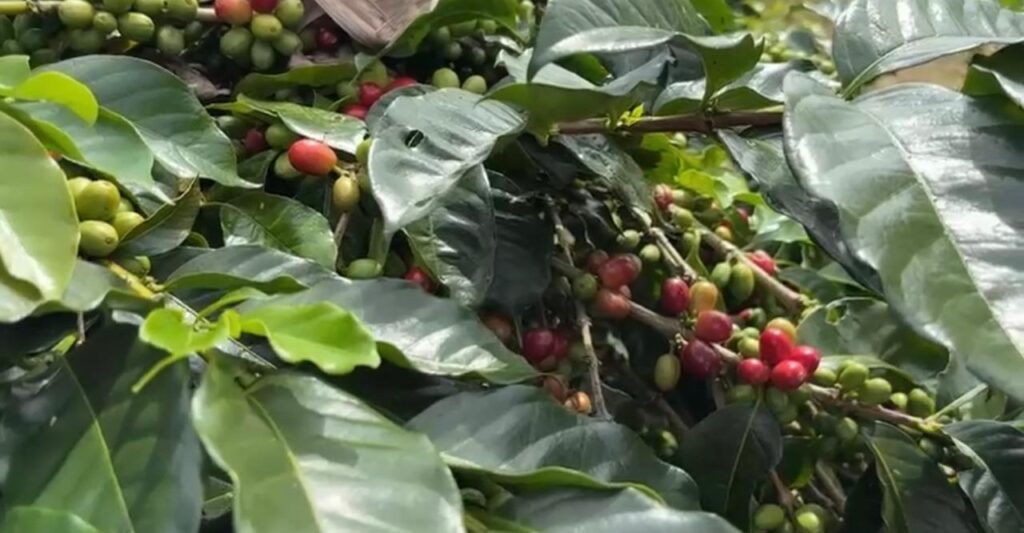
The journey begins at the plantation, where coffee cherries slowly ripen beneath Bali’s mountain landscapes before entering the long process that transforms them from fruit into coffee beans.
At this stage, timing and selection become essential. Ripe cherries are carefully harvested before moving through sorting and processing, marking the very beginning of a journey shaped by patience, environment, and craftsmanship.
“Cherry on the tree“
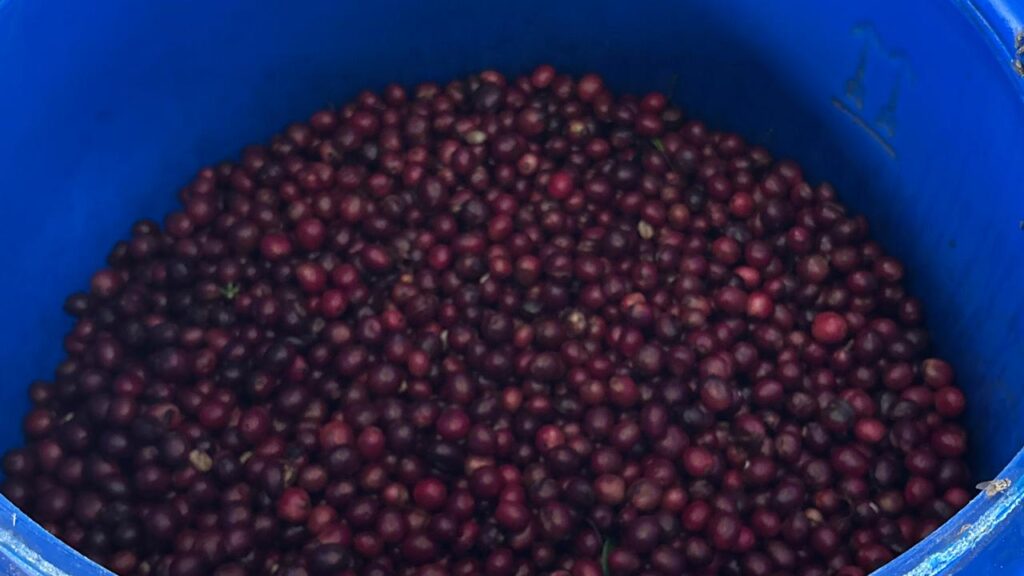
Once harvested, the coffee cherries are carefully collected and prepared for sorting before continuing through the next stages of production.
Across different plantations, this stage reveals how much attention and labour already exists at the very beginning of the coffee journey. Ripeness, colour, and handling all play a crucial role in shaping quality long before drying or roasting begins.
“post-harvest handling / pre-sorting stage”
Drying Under the Bali Sun
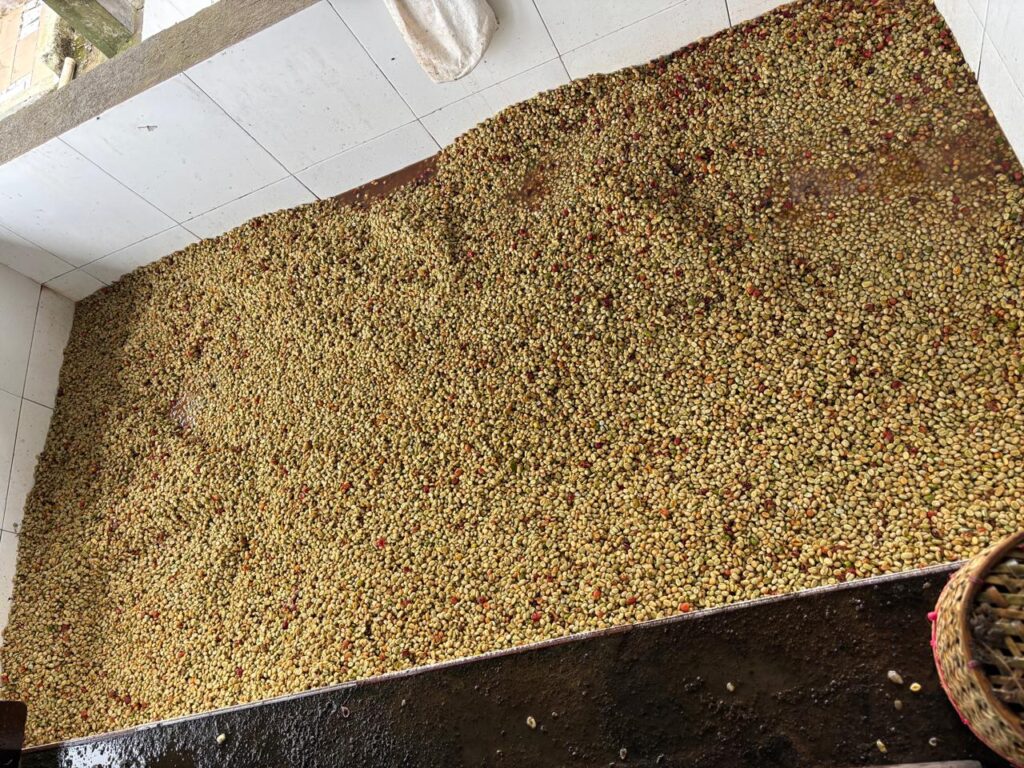
After pulping, the coffee cherries reveal their inner green beans, marking the moment where the process shifts from fruit to seed. At this stage, the beans are carefully separated and gathered, preparing them for the next phase of production. This small but important transition marks the beginning of the coffee’s true transformation, before moving into drying and further refinement.
“Green beans in ceramic basin (after pulping)”
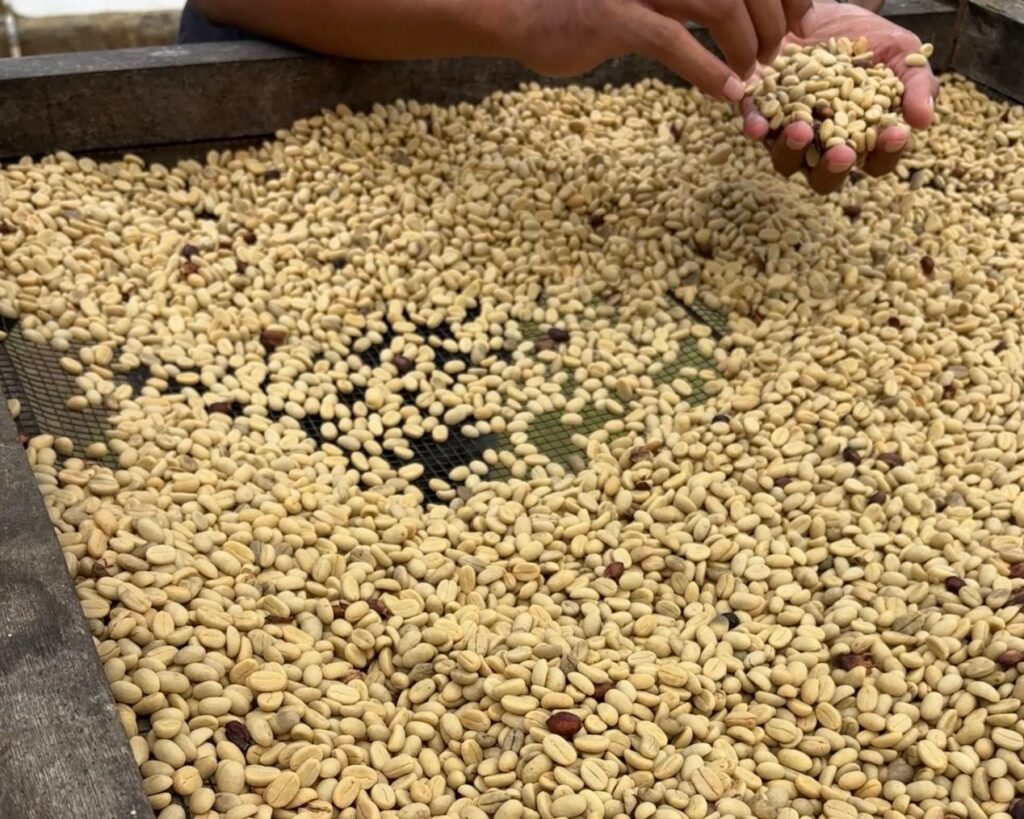
Full Washed (spread on bed)
After being fully washed, the beans are carefully spread across raised drying beds under the open sun, marking the beginning of a slow and controlled drying process. From this point, they are left to rest and gradually dry in a more even and consistent way, shaped naturally by time, airflow, and sunlight. Throughout the day, the beans are monitored and adjusted to ensure they dry properly, continuing their transformation as they move closer to the next stage of refinement.
“Drying Methods Under the Sun”
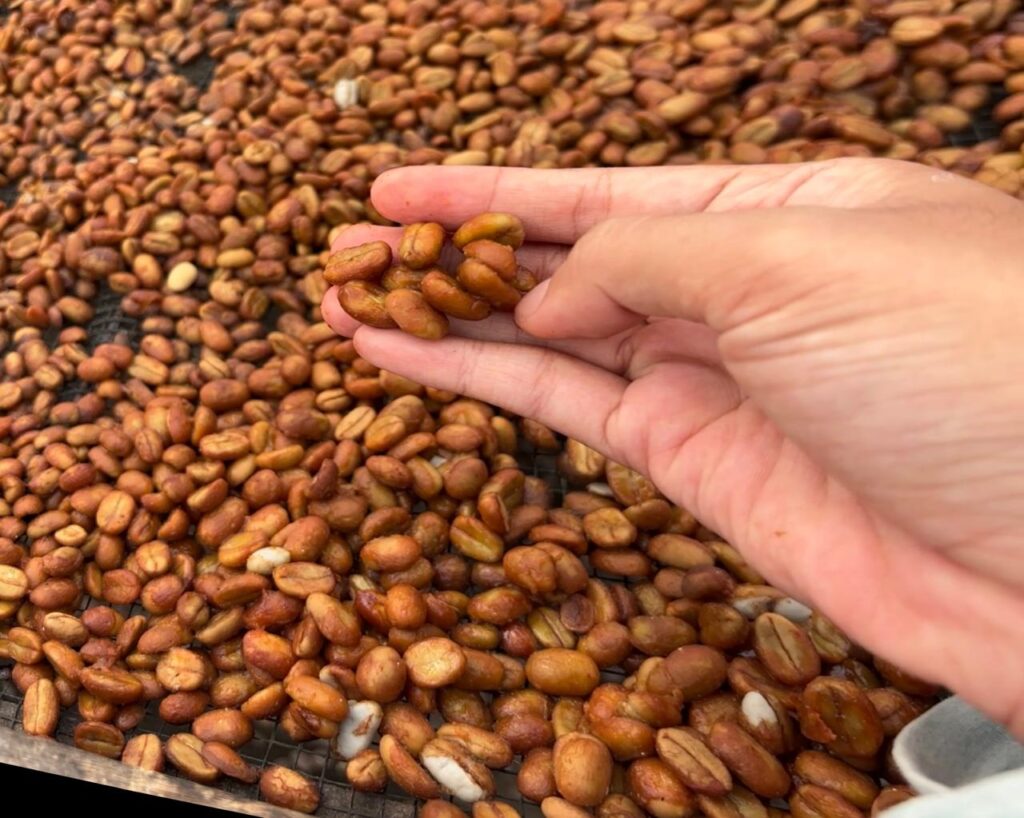
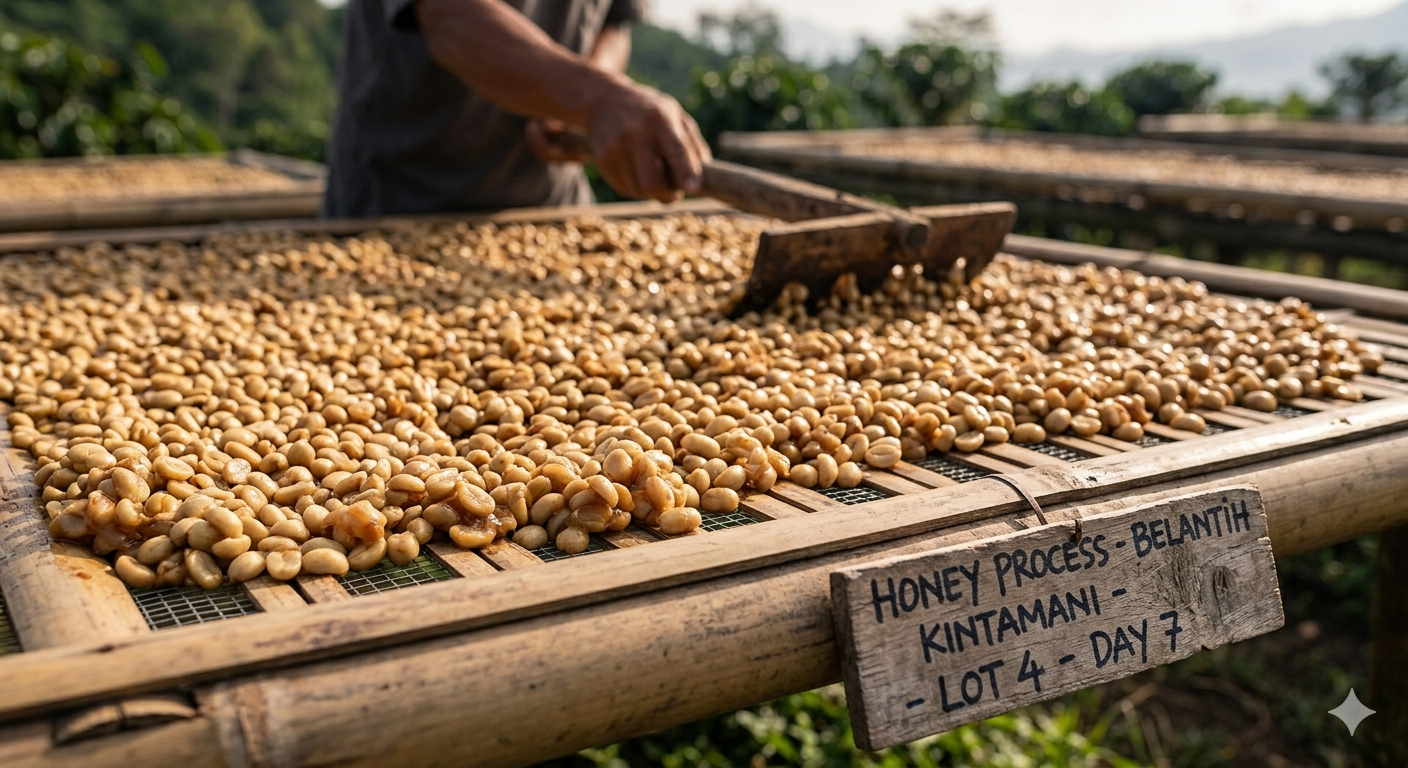
Honey Process (spread on bed)
With part of the fruit layer still attached, the coffee beans are spread across drying beds to begin drying under the sun. During this process, the remaining natural sugars slowly absorb into the beans, helping create the sweeter and richer character that defines the honey process. As the drying process takes longer, the beans are continuously monitored and gently turned to ensure even drying before continuing to the next stage.
“Drying Methods Under the Sun”
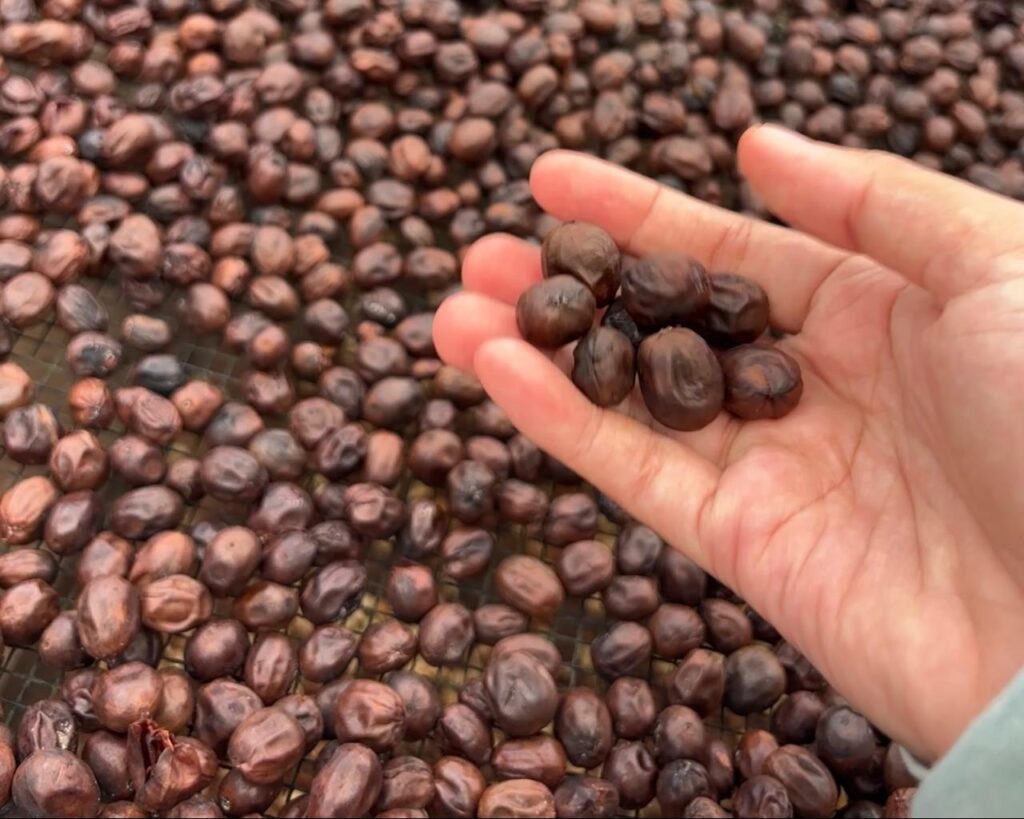
Natural Process (spread on bed)
In the natural process, the coffee beans are dried with the fruit still fully attached, allowing the beans to absorb more of the fruit’s natural character throughout the drying stage. Carefully spread across drying beds under the sun, the beans go through a longer drying process, slowly developing deeper flavors and a richer character over time. Throughout the process, the beans are regularly monitored and turned by hand to ensure even drying before continuing to the next stage.
“Drying Methods Under the Sun”
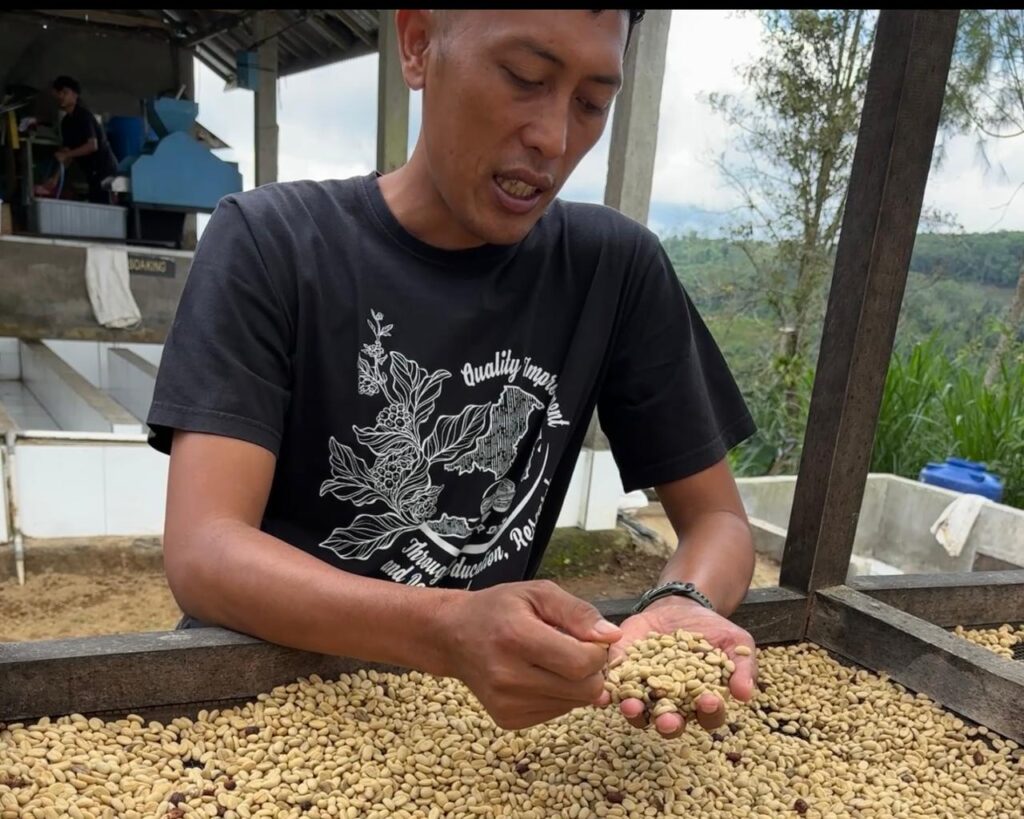
Owner explaining / checking beans
Behind the drying process, there is constant care and experience maintained every day. The beans are observed, checked, and gently turned to ensure they dry evenly under the Bali sun. Changes in weather, temperature, and humidity throughout the day also influence how the character of the coffee develops during the process.
“Hands Behind the Process”
❓Why Do Different Processing Methods Matter?
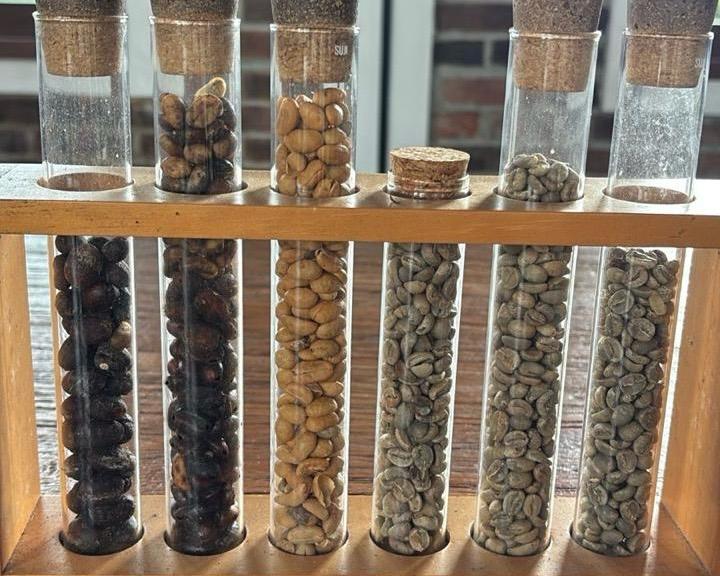
Different processing methods influence how coffee develops throughout its journey. From freshly harvested cherries to dried green beans, every stage helps shape the flavor, sweetness, body, and overall character of the final coffee. Although the beans come from the same origin, Full Washed, Honey, and Natural Process each create a different expression through the way they are dried and handled over time.
Even though they come from the same cherries, each processing method is carried out differently after harvest. In the Full Washed process, the fruit layer and mucilage are completely removed before drying begins. In the Honey Process, part of the fruit layer is left attached during drying to develop a sweeter and more complex character. Meanwhile, in the Natural Process, the cherries are dried fully intact with the fruit still attached, allowing the beans to absorb more of the fruit’s natural character throughout the process.
☕ Characteristics of Each Proces
- Full Washed
Clean, bright, and balanced with a smoother finish. - Honey Process
Sweeter and more complex, with a richer body and gentle fruity notes. - Natural Process
Deeper fruit character with a fuller body and more intense flavors.
The Roasting Process